
 By: admin
- 0 Comments

The “Proudly SA” Lawn Method Outsmarting Weeds the African Way
Built for Highveld storms, Cape winters, and KZN humidity — stop fighting weeds, start outsmarting them.
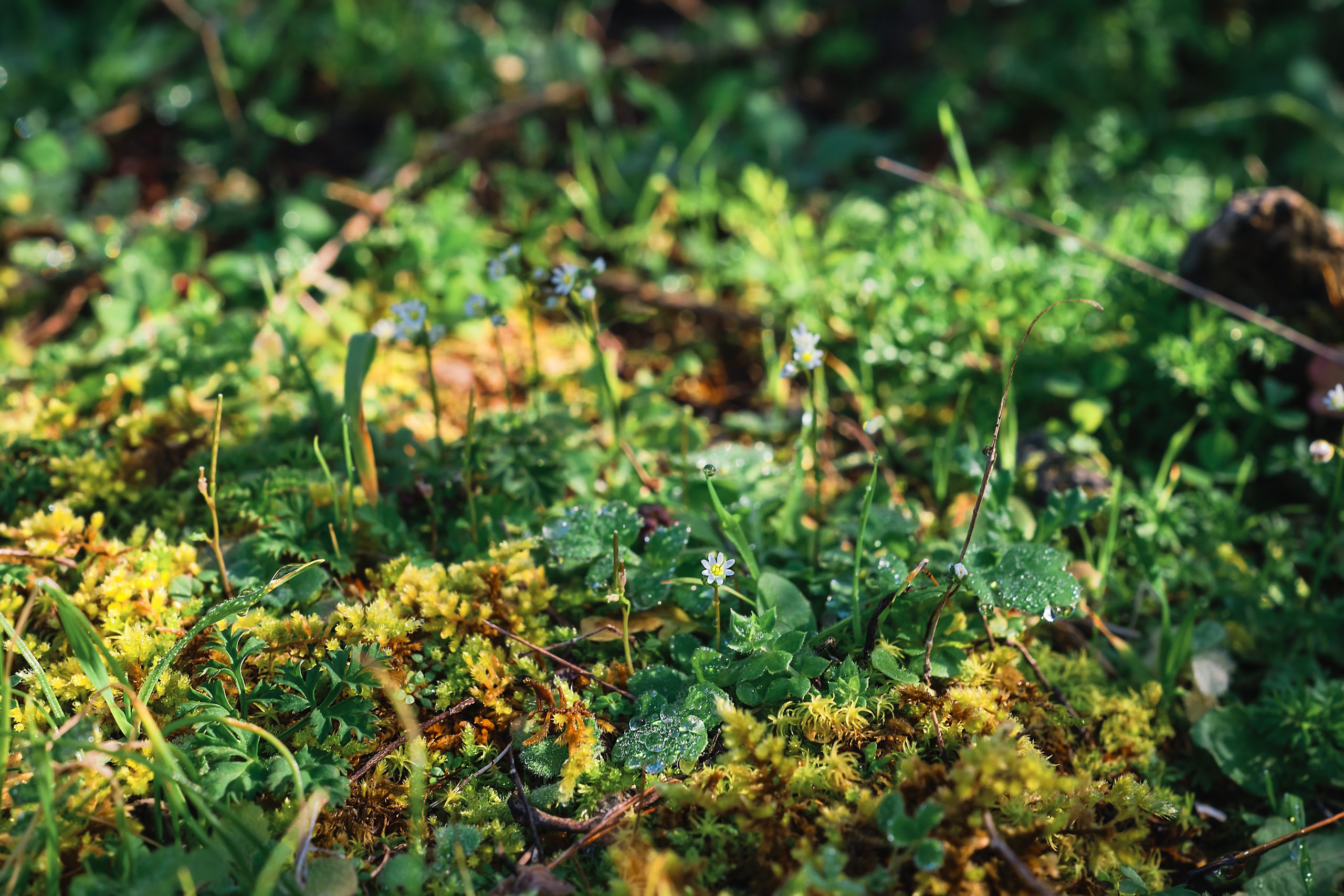
1. Master Your Grass Type First
Most South Africans don’t know what grass they have — this is the #1 reason weed control fails. Your approach depends entirely on whether you have Kikuyu, Cynodon (Golf Green Bermuda), LM Grass (Berea) or Durban Grass. Each reacts differently to herbicides, water, and mowing height.
- Kikuyu & Cynodon: Aggressive spreading grasses — they thrive when cut low and fed heavily. Use them to choke out weeds naturally.
- LM Grass (Berea) & Durban Grass: Shade-loving, slow-growing, and extremely sensitive to chemicals. Blanket sprays that work on Kikuyu will kill LM Grass. Mechanical control and hand-weeding are safer.
2. The “Rainy Season” Pre-Emergent Window
Timing is everything in South Africa. The biggest wave of weeds — Crabgrass (Digitaria), Black Jack (Bidens pilosa), and Pigweed (Amaranthus) — germinates with the first spring rains (August–October in the Highveld and Mpumalanga).
One well-timed spring application reduces summer weeding by 80%.
For Cape Town gardens, apply pre-emergent in autumn (March–April) to target winter-germinating Oxalis (Bermuda Buttercup).
3. The “Indigenous” Mowing Principle
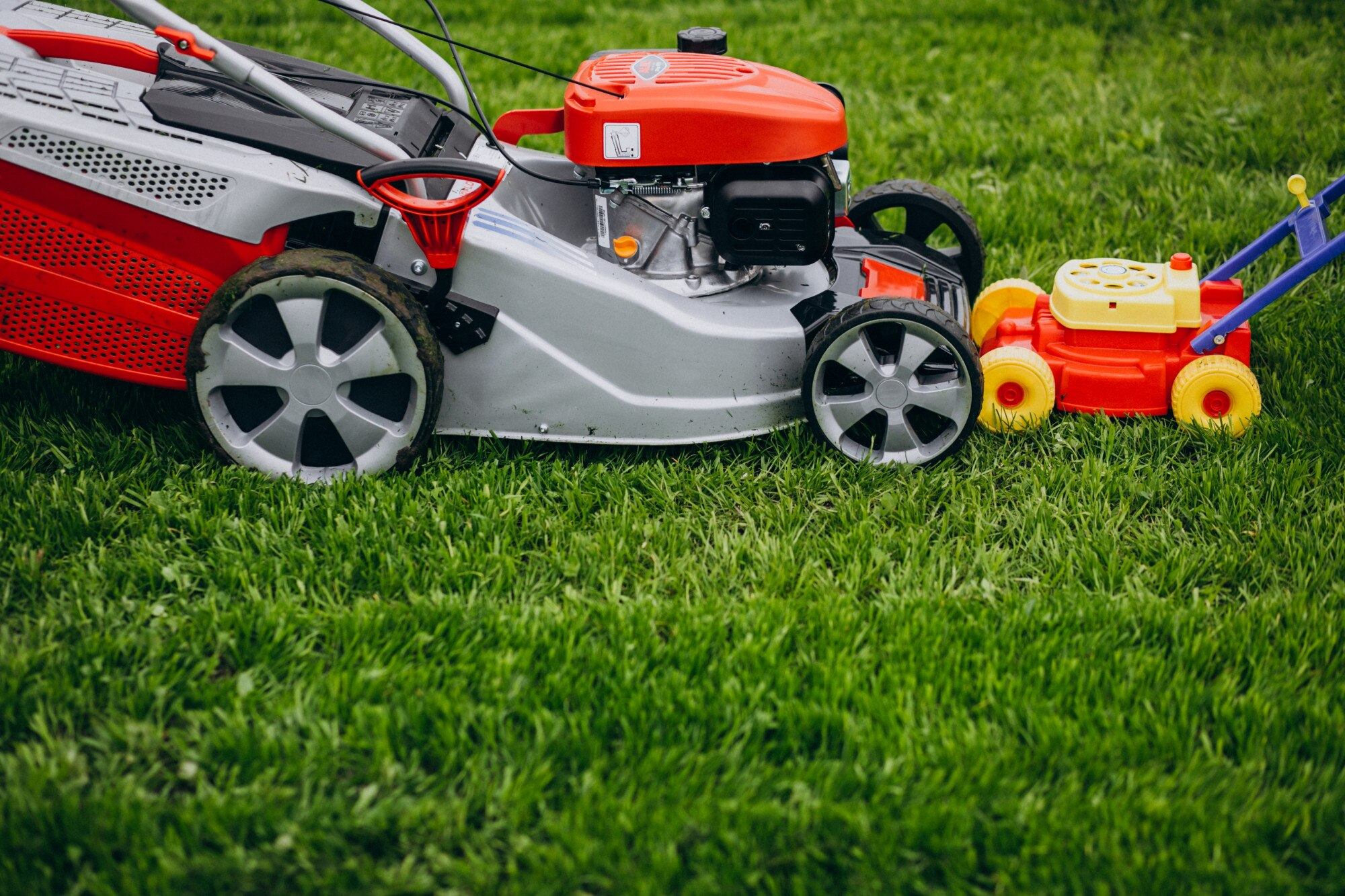
Treat your lawn like indigenous Bushveld vegetation: plants that are constantly scalped develop shallow roots and die out. Raise your mower blades.
- Kikuyu & Cynodon: mow at 4–5 cm.
- LM Grass (Berea): mow at 5–7 cm.
A taller lawn shades the soil (blocks weed seeds from sunlight) and deepens roots — allowing your lawn to survive water restrictions and Level 2 water shedding far better. Weeds love stressed, thin lawns. A tall, dense lawn is a fortress.
4. Selective Spot-Spraying: The “Boer Maak ‘n Plan” Approach
Adopt the “make a plan” approach with a knapsack sprayer and targeted chemicals. Save money and protect your good grass.
- For broadleaf weeds (clover, dandelion, Black Jack, Plantago): Use selective herbicides containing MCPA, Dicamba, or Bromoxynil — safe for Kikuyu/Cynodon. ⚠️ Never use on LM Grass (Berea).
- For grassy weeds (Crabgrass, Nutgrass (Cyperus esculentus)): Nutgrass requires specific targeted herbicides like Halosulfuron-methyl or Sulfosulfuron. Spot-spray clumps individually. For Crabgrass in Kikuyu, use Fluazifop-P-butyl.
- The “Cape Flats” Oxalis Strategy: Apply a pre-emergent like Simazine in late autumn (May) before Cape winter rains. If visible, do not pull — you’ll leave bulbs. Use a weed wiper with glyphosate only on Oxalis leaves.
5. The “Karoo” Irrigation Trick
In the Karoo and Northern Cape, deep infrequent watering creates resilient plants. Your lawn is no different.
• Water once a week deeply (20–30 mm of water) rather than daily for 10 minutes.
• Water before 7:00 am.
This mimics a natural deep soak + dry period. Your lawn’s roots drill down. Weeds, especially Nutgrass and shallow annuals, thrive on “little and often” watering. The Karoo method starves weeds while building a drought-proof lawn.
6. Organic Topdressing with a Local Twist
Give your lawn a physical barrier. Every spring (or autumn in the Cape), apply a thin layer (5–10 mm) of river sand mixed with organic compost. This classic Durban & coastal KZN trick works beautifully for LM Grass (Berea).
Why it works: The sand levels uneven spots where weeds take hold. Compost feeds soil microbes, which grow dense, aggressive grass. The sand layer also smothers small weed seedlings — a physical, non-chemical weed suppressant safe for sensitive grasses like Berea and Durban Grass.
Quick Reference: South African Weed Control at a Glance
| Region / Climate | Typical Grass | Key Weed | Unique Strategy |
|---|---|---|---|
| Highveld (Gauteng, Mpumalanga) | Kikuyu, Cynodon | Crabgrass, Black Jack | Pre-emergent before spring rains; mow at 5cm. |
| Western Cape | Kikuyu, LM Grass | Oxalis, Clover | Pre-emergent in autumn; never pull Oxalis — use weed wiper. |
| KZN Coastal | LM Grass (Berea), Durban Grass | Nutgrass, Creeping Oxalis | Topdress with river sand; spot-spray only; avoid broadleaf herbicides. |
| All Regions | Any | Nutgrass | War of attrition: targeted herbicides (Halosulfuron-methyl) + improved drainage. |
Biome‑Smart Weed Control: Summer vs Winter Rainfall
Summer-rainfall
Gauteng · Mpumalanga · KZN interior
Weeds are active Oct–Mar. Pre-emergents in early spring. Focus on dense Kikuyu canopy and nitrogen boost in September.
Winter-rainfall
Western Cape
Oxalis thrives in wet winters. Pre-emergent in March–April. Improve drainage and use mulching/topdressing in autumn.
Arid & Karoo
Northern Cape, Karoo
Deep Bushveld watering once a week. Mow high to protect roots. Native grasses and Kikuyu respond to Karoo irrigation.
Subtropical Coast
KZN, Eastern Cape
LM Grass & Durban Grass dominate. Use river sand topdressing, avoid hormone herbicides, and hand-weed Nutgrass with care.
The War on Nutgrass & Persistent Weeds
Nutgrass (Cyperus esculentus) is the ultimate South African lawn invader. It thrives in compacted, wet soil and its tubers survive most herbicides. Use a targeted post-emergent like Halosulfuron-methyl or Sulfosulfuron (read label for grass safety). Combine with aeration to improve drainage and remove the conditions Nutgrass loves. For organic patches, solarise with clear plastic during December–January (Karoo heat solarisation) — a chemical-free weapon that cooks tubers using our intense African sun.
📌 Summary Checklist for a Weed-Free SA Lawn
- ✅ Know your grass: Kikuyu, Cynodon, LM Grass (Berea) or Durban Grass — adapt methods accordingly.
- ✅ Pre-emergent timing: Spring for summer-rainfall regions, autumn for the Western Cape (stop Oxalis & crabgrass before they emerge).
- ✅ Mow high & infrequently: 4–7 cm depending on variety — shade soil, deepen roots.
- ✅ Selective spot-spray: Use MCPA/Dicamba for broadleaf weeds, Fluazifop for grassy weeds, Halosulfuron for Nutgrass.
- ✅ Karoo watering: Deep soak once a week, early morning — starves weeds, builds drought resilience.
- ✅ Topdress with river sand + compost: Smothers seedlings, feeds soil, levels out bare patches.
By shifting your mindset from “weed killing” to “lawn strengthening” and working with South Africa’s unique climate and grass varieties, you’ll achieve a thick, resilient lawn that naturally leaves weeds with nowhere to go. It’s not just about chemicals — it’s about creating an environment where your grass wins.